

How Technology Enhances Compressed Air System Performance

Industrial facilities use compressed air every day, yet many systems still waste energy because they rely on outdated equipment or limited system visibility. Today's technological enhancements give maintenance teams practical ways to improve compressed air system performance without relying on guesswork. Smart monitoring and better diagnostics help facilities respond faster while reducing operating costs. As technology continues to evolve, businesses gain better insight into every part of their compressed air systems.
Technology Changes Daily Operations
Modern compressed air systems no longer operate as isolated pieces of equipment. Instead, they communicate through sensors, controllers, and monitoring software that reveal valuable operating information in real time. That visibility allows maintenance teams to make informed decisions before small concerns interrupt production.
Facilities also benefit because equipment runs closer to its intended operating range. Stable operating conditions reduce wear and give maintenance personnel better control over long-term system reliability. Those improvements support productivity without requiring constant manual inspections.
Smarter System Visibility
Operators once relied heavily on gauges and periodic inspections. Digital monitoring now provides continuous operating information that helps teams recognize changing conditions much earlier. Small shifts in pressure or airflow become much easier to spot before they grow into expensive repairs. Better visibility also creates stronger maintenance records that support future planning.
Real-Time Monitoring
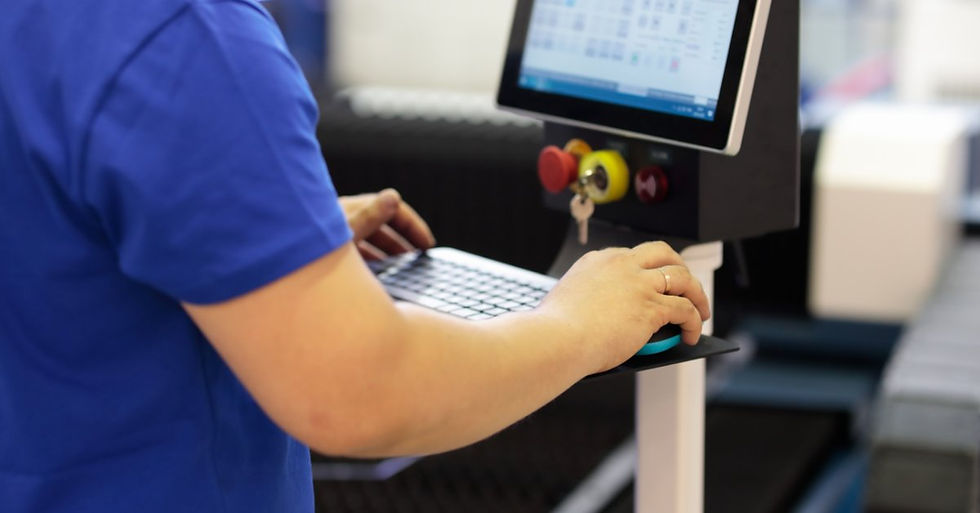
Real-time monitoring changes maintenance from reactive work into proactive planning. Instead of waiting until equipment struggles, operators receive useful operating data throughout the day. That steady stream of information supports faster troubleshooting and reduces downtime.
Several technologies now provide valuable insight into system health:
Pressure sensors track changes throughout the compressed air network
Temperature monitoring highlights developing cooling problems
Flow meters identify unusual demand patterns across production areas
Smart controllers collect operating information from multiple components
Alarm notifications alert maintenance teams when readings move outside acceptable ranges
Smarter Compressor Controls
Older compressors frequently operated at fixed outputs regardless of actual demand. Today's intelligent controls adjust operation according to changing production requirements, allowing equipment to work with greater efficiency throughout the day. That flexibility reduces runtime and improves equipment longevity.
Modern control systems also coordinate multiple compressors more effectively. Instead of competing against one another, compressors share the workload according to current demand. That balanced operation lowers energy consumption while helping every unit perform consistently.
Variable Speed Advantages
Variable speed technology responds to changing air demand almost immediately. Due to varying production conditions throughout an entire shift, compressor output must change as well. Matching output with demand reduces wasted electricity and maintains stable system pressure. Facilities that experience fluctuating production schedules usually benefit the most from this approach.
Better Maintenance Planning
Maintenance has become much more precise because digital technology provides detailed equipment history instead of isolated observations. Service teams review trends over time and identify developing concerns before equipment reaches a critical condition. That approach creates fewer emergency repairs and better scheduling opportunities.
Likewise, historical operating information supports smarter maintenance budgeting. Managers can prioritize equipment that genuinely needs attention instead of relying on fixed service intervals. This strategy reduces unnecessary maintenance while protecting valuable production assets.
Predictive Diagnostics
Predictive diagnostic software evaluates operating patterns rather than waiting for obvious mechanical problems. Subtle changes in vibration or temperature provide valuable clues about equipment condition. Maintenance teams receive earlier warnings, allowing repairs during planned downtime instead of unexpected shutdowns. Since maintenance becomes part of regular planning, production is much more consistent.
Data Improves Decisions

Reliable operating information supports better decisions throughout the entire facility. Maintenance personnel gain confidence because recommendations rely on measurable system performance rather than assumptions. Managers also understand where energy usage increases and where improvements offer the strongest return.
One valuable example involves data logging for compressed air systems. This technology continuously records operating conditions such as pressure, airflow, runtime, and energy usage, allowing technicians to compare long-term performance. Those records reveal recurring trends that support better equipment optimization and future system upgrades.
Find Hidden Problems
Air leaks, oversized equipment, and unstable demand often go unnoticed for long periods. Detailed operating records expose these hidden inefficiencies since patterns are much easier to recognize over time. Teams can verify improvements after repairs instead of assuming every issue disappeared. Continuous verification strengthens long-term system reliability.
Energy Efficiency Benefits
Energy is one of the largest operating expenses for industrial compressed air systems. Technology helps facilities lower those costs by reducing compressor runtime and improving overall system control. Better information creates better operating decisions throughout the day.
Facilities pursuing greater efficiency should pay close attention to these areas:
Monitoring pressure trends instead of increasing pressure unnecessarily
Repairing air leaks soon after technicians identify them
Reviewing compressor loading patterns throughout production shifts
Scheduling maintenance using actual operating data
Evaluating equipment performance after major production changes
Connected System Integration
Modern manufacturing facilities increasingly connect compressed air equipment with broader plant management systems. Maintenance personnel review compressor information alongside production data, allowing faster responses when conditions begin changing. Better communication between systems supports stronger operational planning.
Facilities that invest in technological enhancements create new opportunities to improve compressed air system performance every day. Continuous monitoring and intelligent controls provide dependable operating data that supports quicker decisions and keeps production running smoothly.
Remote Access
Remote monitoring gives authorized personnel access to operating information without remaining beside the equipment. Service managers review alarms, operating trends, and performance history using secure connections whenever necessary. Faster communication supports quicker responses during unexpected operating events. Maintenance planning also becomes more flexible because valuable information is readily available.
Prepare for the Future
Technology will continue shaping the future of industrial compressed air systems because facilities demand greater reliability and operational visibility. Smart equipment, advanced monitoring, and connected diagnostics already help organizations reduce wasted energy while improving everyday operations. Businesses that embrace these tools place themselves in a stronger position as production requirements change.
Working with experienced professionals makes those technology investments more valuable because every facility has unique operating requirements. IQ Compression helps industrial customers evaluate practical solutions that support reliability for compressed air performance without recommending unnecessary equipment. If you're ready to improve your system through smarter technology and dependable guidance, contact IQ Compression at (713) 300-1869 to start the conversation. Small improvements can create lasting operational benefits for years to come.


Comments